Enhancing Outdoor Spaces: Expert Landscape Design Tips
- Sara L-T
- Oct 9, 2025
- 3 min read
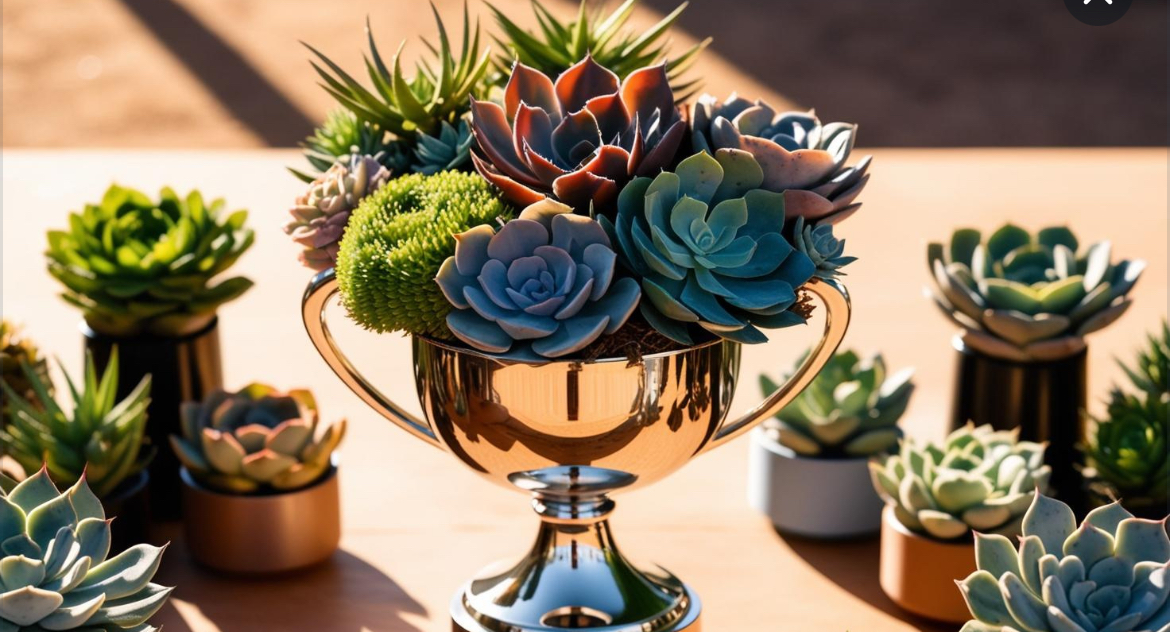
Creating a beautiful outdoor space can transform your home and enhance your lifestyle. Whether you have a small balcony or a sprawling backyard, the right landscape design can make all the difference. In this post, we will explore expert tips to help you enhance your outdoor spaces. From choosing the right plants to creating functional areas, these insights will guide you in crafting a stunning landscape.
Understand Your Space
Before diving into design, take a moment to assess your outdoor area.
Size and Shape: Measure your space. Knowing the dimensions will help you plan effectively.
Sunlight and Shade: Observe how sunlight moves across your yard throughout the day. This will influence your plant choices.
Soil Quality: Test your soil to understand its pH and nutrient levels. Healthy soil is crucial for plant growth.
By understanding these elements, you can make informed decisions that will lead to a successful landscape design.
Define Your Purpose
What do you want from your outdoor space?
Relaxation: If you seek a peaceful retreat, consider adding comfortable seating, a water feature, or shade trees.
Entertainment: For hosting gatherings, think about a patio, outdoor kitchen, or fire pit.
Gardening: If you love plants, create a garden area with flowers, herbs, or vegetables.
Defining the purpose of your space will guide your design choices and ensure that your outdoor area meets your needs.
Choose the Right Plants
Selecting the right plants is essential for a thriving landscape.
Native Plants: Consider using native plants that are adapted to your local climate. They require less water and maintenance.
Seasonal Interest: Choose a mix of plants that bloom at different times of the year. This ensures your garden looks vibrant year-round.
Layering: Use a variety of plant heights to create depth. Taller plants can be placed at the back, with shorter ones in front.
When selecting plants, think about their colors, textures, and growth habits. This will help you create a visually appealing landscape.
Create Functional Areas
Designing functional areas can enhance the usability of your outdoor space.
Pathways: Create clear pathways to guide visitors through your garden. Use materials like stone, gravel, or mulch.
Seating Areas: Designate spots for seating. This could be a cozy nook with chairs or a larger area for entertaining.
Focal Points: Incorporate focal points like sculptures, birdbaths, or unique plants. These elements draw the eye and add interest.
Functional areas make your outdoor space more enjoyable and inviting.
Incorporate Hardscaping
Hardscaping refers to the non-plant elements of your landscape.
Patios and Decks: These surfaces provide a solid foundation for outdoor furniture and activities.
Retaining Walls: If your yard is sloped, consider adding retaining walls. They can create level areas and prevent erosion.
Walkways: Use hardscaping to create pathways that connect different areas of your garden.
Incorporating hardscaping elements adds structure and can enhance the overall design of your outdoor space.
Consider Water Features
Water features can bring a sense of tranquility to your landscape.
Fountains: A small fountain can create soothing sounds and attract birds.
Ponds: If space allows, a pond can be a beautiful focal point. Consider adding aquatic plants and fish.
Birdbaths: These are simple to install and can attract wildlife to your garden.
Water features not only enhance the aesthetic appeal but also create a calming atmosphere.
Lighting Matters
Outdoor lighting can dramatically change the ambiance of your space.
Pathway Lights: Illuminate walkways for safety and visual appeal.
Spotlights: Use spotlights to highlight trees, sculptures, or architectural features.
String Lights: These can create a cozy atmosphere for evening gatherings.
Proper lighting allows you to enjoy your outdoor space even after the sun goes down.
Maintenance is Key
A beautiful landscape requires regular maintenance.
Watering: Ensure your plants receive adequate water, especially during dry spells.
Pruning: Regularly prune plants to encourage healthy growth and maintain shape.
Weeding: Keep your garden free of weeds to prevent competition for nutrients.
Establishing a maintenance routine will help keep your outdoor space looking its best.
Personalize Your Space
Finally, make your outdoor area uniquely yours.
Decor: Add personal touches with outdoor decor like cushions, rugs, or art.
Color Schemes: Choose colors that reflect your style. This could be through plant choices or furniture.
Themes: Consider a theme that resonates with you, such as a tropical oasis or a rustic retreat.
Personalizing your space will make it feel more inviting and enjoyable.
Final Thoughts
Enhancing your outdoor space is a rewarding endeavor. By understanding your area, defining its purpose, and making thoughtful design choices, you can create a landscape that reflects your style and meets your needs.
Remember, the journey of landscape design is ongoing. As seasons change, so can your garden. Embrace the process, and enjoy the beauty of your outdoor space.


Comments